SNAP benefit theft: why an EBT card can be skimmed like any other card, and what a new USDA rule would change
USDA proposes chip EBT cards, self-service blocks and alerts for SNAP households. What to do about skimming now, and why stolen benefits may not come back.
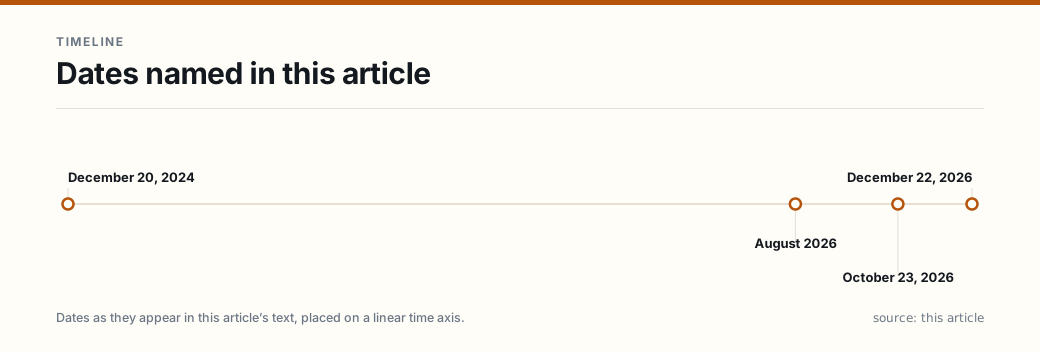
On October 23, 2026, USDA’s Food and Nutrition Administration published a proposed rule — 91 Fed. Reg. 66958, docket FNS-2025-0137 — that would modernize the payment card SNAP households use to: chip and tap-to-pay EBT cards, self-service transaction blocks and alerts, and tighter PIN rules. Comments close December 22, 2026. Nothing in it binds anyone yet, but the document is also the clearest recent accounting of how SNAP benefits get stolen and what households can and cannot get back.
The theft problem in one paragraph
EBT cards today are essentially magnetic-stripe cards secured by a PIN, and the proposed rule states the consequence plainly: the dominant form of benefit theft is skimming of card data from the stripe, paired with a PIN captured by a hidden camera or overlay at a tampered reader, plus phishing — texts or fake sites that trick a household into handing over the card number and PIN. Because the card is PIN-only, a thief who has both pieces does not need the plastic. The numbers USDA cites: through the second quarter of FY2025, 753,929 claims for replacement of stolen benefits had been approved nationwide, worth $360,441,561 — and USDA notes that figure only counts households that filed claims.
What happened to replacement
This is the part most people do not know. Congress created a time-limited federal authority in the Consolidated Appropriations Act, 2023 (Public Law 117-328) requiring states to replace electronically stolen benefits with federal funds. That authority expired on December 20, 2024. USDA states that states are “once again no longer required” to report theft statistics — the federal replacement mandate is gone. Some states continue to replace stolen benefits under their own policies or state laws, and the terms vary by state; a household in one state may be made whole while a household across the river is not. That patchwork is exactly the problem the proposed rule is trying to shrink from the other end: stop the theft rather than fund the reimbursement.
What the proposed rule would change
Three things matter most for a household.
Chip cards. The definition of an EBT card would explicitly include cards with an EMV chip and NFC (contactless) capability — the technology bank cards have used since 2015, which the rule credits with large fraud reductions when the broader payment industry shifted. States would have two years from publication of a final rule to transition. USDA notes that as of August 2026, seven states have already issued chip-capable EBT cards; its modernization page tracks progress.
Self-service controls. State agencies would have to offer every household, without restriction, the ability to turn on or off: a block on out-of-state transactions, a block on card-not-present (online) transactions, a block on all transactions, alerts by email or text for purchases (including rejected ones and purchases over a user-selected limit), alerts for account activity such as PIN changes and balance inquiries, and a user-selected maximum transaction limit. Some states already offer versions of these. USDA also asks for comment on whether any block should be on by default.
PIN hygiene. States would be required to bar weak PINs — a repeated single digit, the card’s own last digits, alternating patterns like 1212, sequences starting with 19 or 20 (birth-year patterns), and the on-keypad walks 2580/8520/0852/0258. The rule also tightens how PINs may be set or changed, including closing unencrypted telephone PIN entry.
What to do now
- Check the reader and shield the keypad. Until your state issues a chip card, the stripe is the attack surface. A loose or bulky overlay on the card slot is the classic skim rig.
- Change your PIN regularly, and never to a pattern on the barred list. Do it at a state office terminal or a device you trust, not in response to a message.
- Turn on the controls your state already offers. Many states have card-lock features, out-of-state blocks, and transaction alerts in their official EBT app or portal. If you are unsure what your state offers, its SNAP agency’s EBT page lists it; USDA’s skimming-prevention page collects the guidance.
- Never give your card number or PIN to anyone who contacts you. No state agency asks for a PIN by phone, text, or email to “verify eligibility” or “release benefits.” That is the phishing script.
- Check your balance before you shop, in your state’s official app or by phone, so a zero balance is noticed the day it happens rather than at the register.
- If benefits are stolen, report immediately to your state SNAP agency and file a police report if asked; whether you are made whole depends on your state’s current policy, since the federal fund has lapsed.
The scam angle
A rule change is a pretext factory. Expect texts like “Your SNAP benefits are on hold — verify your EBT card here” and callers claiming a new USDA program requires re-enrollment. The real rule asks nothing of households: no application, no fee, no deadline, no card number. A genuine state EBT notice comes through your state agency’s own channels, and the only place to comment on the rule is the federal docket, which takes comments, not card numbers. Suspicious messages can be reported to your state agency and to the FTC at reportfraud.ftc.gov; our scam checklist for federal services covers the broader pattern.
Status and what to watch
This is a proposed rule. The chip transition clock — two years — starts at a final rule, not this document, and USDA has invited comment on whether two years is even feasible. The replacement gap is the open question the rule does not answer: it prevents better than it restores. We will update this article if the final rule lands or if Congress revives federal replacement funding.
This article is general information about SNAP EBT security and a proposed federal rule, not legal or benefits advice for your case. Replacement of stolen benefits and card features vary by state; confirm current terms with your state SNAP agency before relying on any statement here.
Frequently asked questions
- Can I get stolen SNAP benefits replaced right now?
- Probably not through the federal fund. The federal authority that paid states to replace electronically stolen SNAP benefits expired on December 20, 2024. Some states still replace stolen benefits under their own rules and a few replace certain theft categories under state law, but there is no current federal requirement — so what happens depends on where you live.
- Do I need to do anything today because of the new rule?
- No. The rule is only proposed; comments close on December 22, 2026, and nothing in it is binding until a final rule is published. The steps worth taking today — checking your balance before shopping, changing your PIN, using your state's card-lock or block options if offered, and reporting skimming to your state agency — do not depend on it.
- How do thieves steal SNAP benefits without taking the card?
- Mostly by skimming the magnetic stripe at a tampered card reader, then pairing the copied card number with a PIN captured by a hidden camera or an overlay. Phishing — a text or email that asks you to 'verify' your card number and PIN to keep benefits flowing — is the other common route. A state agency will never call or text to ask for your PIN.
- When would chip EBT cards actually arrive?
- USDA's proposal would give states two years from the publication of a final rule to transition, and notes that as of August 2026 seven states have already issued chip-capable EBT cards. Until your state issues one, treat the card like the PIN-only card it is: shield the keypad and check the reader.
Sources
Each source is a primary or official reference, checked before publication. Links open the original.
- Department of Agriculture, Food and Nutrition Administration — 'Supplemental Nutrition Assistance Program: Electronic Benefits Transfer Card Security Measures', proposed rule, 91 Fed. Reg. 66958 (October 23, 2026), 7 CFR parts 271, 274 and 278, docket FNS-2025-0137, RIN 0584-AE99; comments due December 22, 2026; source of the chip/NFC proposal and its two-year-from-final-rule implementation timeframe, the self-service account options (blocks on out-of-state, card-not-present and all transactions, purchase and activity alerts, user-selected transaction limits), the common-PIN prohibitions, the expiration of federal stolen-benefit replacement funding on December 20, 2024, and the 753,929 approved replacement claims totaling $360,441,561 through the second quarter of FY2025 — https://www.federalregister.gov/documents/2026/10/23/2026-21658/supplemental-nutrition-assistance-program-electronic-benefits-transfer-card-security-measures
- Same document, plain-text full text via the Federal Register — https://www.federalregister.gov/documents/full_text/text/2026/10/23/2026-21658.txt
- Department of Agriculture, Food and Nutrition Administration — 'SNAP/TANF EBT Card Skimming Prevention: Tools and Resources' (the agency's skimming-prevention guidance cited in the proposed rule); page blocked to automated access, cited by name — https://www.fna.usda.gov/snap/snap-tanf-ebt-card-skimming-prevention
- Department of Agriculture, Food and Nutrition Administration — 'EBT Modernization' page tracking state chip-card issuance, cited in the proposed rule for the seven states that had issued chip cards as of August 2026; page blocked to automated access, cited by name — https://www.fna.usda.gov/snap/ebt/modernization
- Department of Agriculture, Food and Nutrition Administration — 'SNAP Replacement of Stolen Benefits' data dashboard, the source of the approved-claims figures cited in the proposed rule; page blocked to automated access, cited by name — https://www.fna.usda.gov/data-research/data-visualization/snap-replacement-stolen-benefits-dashboard
- Regulations.gov docket FNS-2025-0137, where public comments on the proposed rule are submitted; site blocked to automated access, cited by name — https://www.regulations.gov/docket/FNS-2025-0137
- Consolidated Appropriations Act, 2023, Public Law 117-328 (December 29, 2022), which created the time-limited federal authority for states to replace electronically stolen SNAP benefits — https://www.govinfo.gov/content/pkg/PLAW-117publ328/pdf/PLAW-117publ328.pdf